Understanding Military Defense Lawyers and the Uniform Code of Military Justice
Learn how a military defense lawyer helps service members navigate military law, protect their rights, and understand the military justice system.
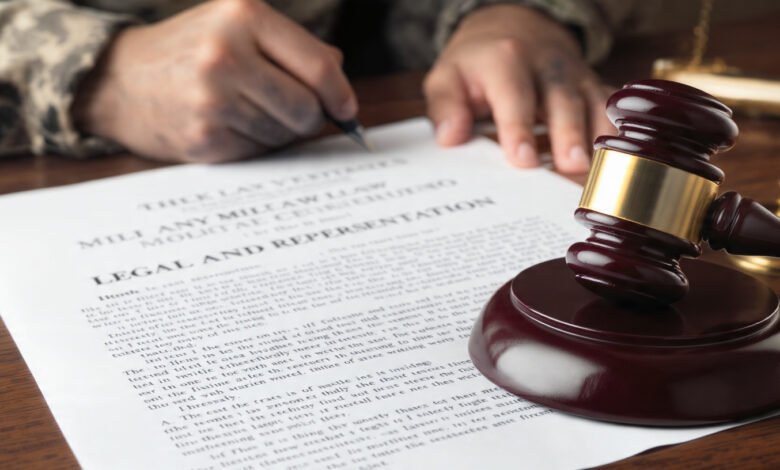
Members of the armed forces live under a unique legal system that differs in important ways from civilian law. When legal issues arise whether related to discipline, criminal accusations, or administrative actions, service members may encounter processes that feel unfamiliar and complex. A Military Defense Lawyer plays a key role in helping individuals understand these processes and protect their rights within the military justice system.
This article offers a clear, educational overview of what a military defense lawyer does, when their assistance may be relevant, and how military law functions in practice. No prior legal knowledge is required.
What Is a Military Defense Lawyer?
A military defense lawyer is an attorney who focuses on representing service members facing legal action under military law. This area of law is governed primarily by the Uniform Code of Military Justice (UCMJ), a federal law that applies to active-duty personnel, reservists, and, in some cases, retirees.
Unlike civilian criminal law, the UCMJ covers offenses specific to military service, such as absence without leave (AWOL), disobedience of lawful orders, or conduct unbecoming an officer. A military defense lawyer understands these unique rules and procedures and explains them in accessible terms to clients who may be encountering them for the first time.
The Military Justice System Explained
How Military Law Differs from Civilian Law
The military justice system is designed to maintain order and discipline within the armed forces. While it shares some similarities with civilian courts such as rules of evidence and the right to legal representation—it also has distinct features. For example, commanding officers have significant authority in initiating disciplinary actions, and certain cases are handled outside traditional courtrooms. Consult a Skilled Military Defense Lawyer.
Types of Military Legal Proceedings
Service members may face different kinds of legal proceedings, including:

- Nonjudicial Punishment (Article 15): A disciplinary process for minor offenses that does not involve a formal trial.
- Court-Martial: A military court that handles serious criminal charges. There are three main types, summary, special, and general, each varying in formality and potential penalties.
- Administrative Actions: Proceedings that can affect a service member’s rank, pay, or discharge status without being criminal in nature.
A military defense lawyer helps clarify which process applies and what rights are available at each stage.
Responsibilities of a Military Defense Lawyer
Protecting Legal Rights
One of the primary responsibilities of a military defense lawyer is to ensure that a service member’s rights are respected. These rights include the right to remain silent, the right to review evidence, and the right to fair treatment during investigations and hearings.
Explaining Legal Options
Military law uses terms and procedures that may be unfamiliar to those without a legal background. A defense lawyer translates these concepts into plain language, helping clients understand possible outcomes and available choices. This guidance is particularly important when decisions must be made quickly.
Representation and Advocacy
In court-martial cases or formal hearings, a military defense lawyer represents the service member by presenting evidence, questioning witnesses, and making legal arguments. Even in less formal settings, such as administrative boards, legal advocacy can influence how a case is resolved.
Military Defense Lawyers and JAG Counsel
Many service members are aware of Judge Advocate General (JAG) officers, who are military lawyers provided by the government. JAG defense counsel are qualified attorneys who represent service members at no personal cost. In some situations, individuals may also seek civilian military defense lawyers who focus exclusively on military law.
Both options exist within the system, and understanding the role of each can help service members make informed decisions. General information about the military justice framework is available through public resources such as the U.S. Department of Defense’s overview of the UCMJ.
When Legal Guidance May Be Needed
Legal guidance may be useful in a wide range of situations, including investigations, accusations of misconduct, or questions about administrative separation. Early understanding of one’s position within the process can reduce confusion and help ensure that procedural rules are followed correctly.
For those seeking general information about their options, educational resources sometimes recommend that service members consult a Skilled Military Defense Lawyer to better understand how military law applies to their specific circumstances.
Why Military Legal Knowledge Matters
Military service carries responsibilities that extend beyond ordinary employment, and the legal framework reflects this reality. Decisions made during legal proceedings can have long-term effects on a person’s career, benefits, and reputation. A military defense lawyer brings specialized knowledge of military culture, regulations, and legal standards that is essential in navigating these situations thoughtfully.
Key Takeaways
Understanding the role of a military defense lawyer helps demystify the military justice system. These legal professionals focus on defending service members under the UCMJ, explaining complex procedures in simple terms, and safeguarding individual rights. Whether dealing with nonjudicial punishment, a court-martial, or administrative action, informed legal guidance supports fairness and clarity. By learning how military law operates and who is involved, service members and their families can approach challenging situations with greater confidence and awareness.