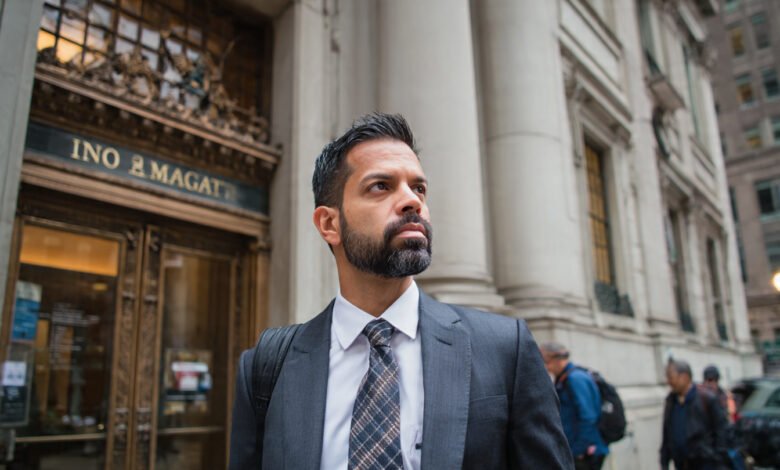
Understanding the Role of a Teranga Law: NGO Lawyer in New York Nonprofit Work
Launching a nonprofit in New York? An NGO lawyer helps navigate governance, compliance, fundraising laws, and legal risks to protect your mission.
Nonprofit organizations and NGOs often begin with a mission, feeding families, advancing education, protecting the environment, or supporting public health. In New York, turning that mission into a legally sound organization involves rules about governance, fundraising, employment, contracts, and tax status. For many founders and nonprofit leaders, the challenge is not a lack of commitment, but a lack of familiarity with the legal framework.
An NGO lawyer helps translate those rules into practical steps that protect the organization and the people it serves. In this context, a Teranga Law NGO Lawyer refers to legal counsel focused on the specific needs of mission-driven organizations, especially those balancing limited resources with high public responsibility.
What an NGO-focused lawyer actually does
An NGO-focused lawyer supports a nonprofit’s “legal infrastructure.” That does not mean turning every decision into a complex legal process. Instead, it means helping leaders understand key obligations and make choices that reduce risk.
Formation and tax-exempt status
Many nonprofits seek tax-exempt status, meaning the organization may not have to pay certain taxes and may be able to receive tax-deductible donations. In the United States, the most common federal tax-exempt category for charities is 501(c)(3).
An NGO lawyer can help with:
- Selecting the appropriate legal structure (for example, a nonprofit corporation)
- Drafting and filing incorporation documents
- Preparing core governance documents, such as bylaws (the organization’s internal rulebook)
- Applying for federal tax-exempt status with the IRS
Talk to an NGO-focused lawyer at Teranga Law


Governance, compliance, and accountability
Nonprofits are expected to meet public standards because they often receive donations and grants. A lawyer helps clarify responsibilities such as:
- Fiduciary duties: the legal duties of board members to act in the organization’s best interest (commonly described as duties of care, loyalty, and obedience)
- Conflict-of-interest rules (to prevent private benefit from charitable resources)
- Recordkeeping and reporting requirements
In New York, charitable organizations may also interact with state regulators, including the New York Attorney General’s Charities Bureau. General guidance is available through the New York Charities Bureau.
Common legal questions for New York NGOs
New York has a well-developed nonprofit sector, but that also means a robust regulatory environment. An NGO lawyer can help organizations address common questions early, before they become urgent.
Incorporation and 501(c)(3) planning
Two steps are often confused:
- Incorporation (creating the nonprofit entity under state law)
- Tax exemption (obtaining recognition from the IRS)
They are related but different. Good planning can prevent misalignment for example, bylaws or mission language that unintentionally complicate a tax-exempt application.
Fundraising and charitable solicitation
Fundraising is not only a practical issue it can be a legal one. Depending on how an organization solicits donations (online, by mail, through events, or across state lines), registration and disclosure rules may apply. New York has specific expectations for charitable organizations that raise funds from the public, and compliance can matter for grant eligibility and reputational trust.
A lawyer can also explain restricted gifts, which are donations earmarked for a specific purpose. If an organization uses restricted funds incorrectly, even unintentionally that can create serious accountability concerns.
Contracts, grants, and partnerships
Nonprofits sign many agreements, including:
- Grant agreements
- Vendor and service contracts
- Memoranda of understanding (MOUs) with partner organizations
- Leases and facility use agreements
These documents often include terms that are easy to overlook, such as renewal clauses, insurance requirements, confidentiality provisions, or limits on how grant funds can be used. An NGO lawyer helps identify which clauses are “routine” and which deserve extra attention.
Employment, volunteers, and workplace policies
Many NGOs rely on a mix of staff, independent contractors, interns, and volunteers. Each category can involve different rules about wages, benefits, liability, and supervision. For example, a person labeled an “independent contractor” may still be treated as an employee under certain tests, which can affect taxes and wage obligations.
Clear policies and well-written agreements help reduce confusion, promote fairness, and protect the organization’s mission.
When legal support prevents avoidable problems
Legal planning is often most valuable before a crisis. Consider a few common scenarios:
- Board disagreements: Without clear bylaws and decision-making procedures, internal disputes can stall operations or lead to inconsistent actions.
- Conflicts of interest: If a board member’s business is hired without proper disclosure and approval, the organization may face scrutiny—even if the service was legitimately needed.
- Grant compliance issues: A grant may require specific reporting, spending limits, or approval for budget changes. Missing these requirements can affect future funding.
- Rapid growth: Expanding programs, hiring staff, or opening a new location can trigger new legal obligations, such as insurance adjustments and updated governance controls.
A Teranga Law NGO Lawyer can help an organization build practices that are realistic for small teams while still meeting core legal expectations.
How to evaluate NGO legal support
For leaders without legal backgrounds, the best legal relationship is often one where the lawyer communicates clearly and prioritizes practical solutions. Helpful indicators include:
- Experience with nonprofit governance and compliance
- Familiarity with New York nonprofit and charitable solicitation considerations
- Clear explanations of risks, options, and tradeoffs
- A focus on aligning legal structure with mission and operations
When exploring options, some organizations choose to consult counsel with a nonprofit-specific practice, such as through a resource like Talk to an NGO-focused lawyer at Teranga Law, especially when they need guidance tailored to NGO realities in New York.
Key insights to remember
A nonprofit’s mission is strengthened, not hindered by clear legal foundations. An NGO lawyer helps organizations in New York navigate formation, tax-exempt planning, governance, fundraising rules, contracts, and workforce issues in plain language. The goal is not to make operations complicated; it is to create structures that support accountability, reduce preventable risk, and allow leadership to focus on impact.